

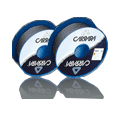
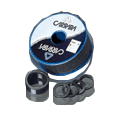
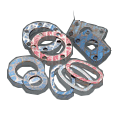
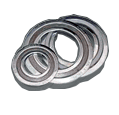
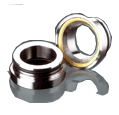

An easy way to help the environment when selecting gaskets is to choose the right gasket for the right application. This way, you’ll get more use out of each gasket before they degrade, need replacing, and end up in landfill. You should also consider the gasket manufacturer when concerned about environmental factors in gasket selection.

We all want to do our bit for the environment, and we can all make simple changes to our daily routines which reduce our carbon footprint. Whether your aim is to pay more attention to what goes into the recycle bin, start composting, or use less water, it all starts with the small things.

Running a business gives you even more opportunities to lower your environmental impact. Switching to more environmentally-friendly processes at work is a great way to do your part for the planet.

Part of this might include looking at environmental factors when selecting gaskets for your equipment. Are some gaskets better for the environment than others? Here, Australia’s experts at Steamline Engineering explain:

Choosing the right gasket for the right application

An easy way to help the environment when selecting gaskets is to choose the right gasket for the right application. This way, you’ll get more use out of each gasket before they degrade, need replacing, and end up in landfill.

For example, if you were to use a rubber gasket where a metallic gasket would be preferred, the rubber gasket would degrade very quickly if exposed to certain chemicals, and would need to be discarded.

Choosing the right gasket is important for longevity and durability, getting as much life out of your gasket as possible. This saves a gasket from being wasted and thrown into landfill.

Choosing a reputable gasket manufacturer

You should also consider the gasket manufacturer when concerned about environmental factors in gasket selection. Chances are, a reputable manufacturer of high-quality gaskets will have more advanced environmental processes than cheap gasket manufacturers from China.

That’s part of the reason why Steamline Engineering only selects high-quality gaskets from reputable brands like Carrera and Firefly. These gasket manufacturers are renowned for making high-quality gear, which lasts longer than cheaper alternatives and is therefore better for the environment.

Consider your gasket supplier

And finally, it’s important to look at your supplier and their regard for environmental best practice. Some gasket suppliers have a larger carbon footprint than others, marked by overpackaging, use of paper rather than paperless processes, and other factors.

Steamline Engineering care about the environment and is constantly improving our processes to reduce our carbon footprint. We’re mindful of overpackaging, especially when it comes to shipping gaskets to your business, and are taking up more and more paperless processes.

Together, we can make a big difference in helping the environment. Steamline Engineering is Australia’s #1 supplier of high quality gaskets. We choose top manufacturers like Carrera and Firefly, providing metallic, rubber, PTFE, graphite gaskets and more. Supplying various gaskets from various materials, Steamline are also Australia’s leading team for other industrial equipment like thermal tapes and seals, welding blankets and valve packing materials.
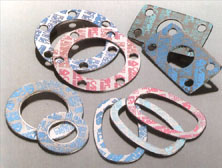

Gasket compression is the degree to which a gasket is compressed or squeezed between two mating surfaces, creating a seal. Gaskets are designed to seal the gap between two mating flanges. Compression plays a vital role in creating a tight, effective seal, preventing leaks.

You can have the most expensive equipment, the highest quality gaskets and the most skilled staff – but if your gasket compression isn’t effective, you’re going to run into some serious problems.

Leaks, equipment damage, safety hazards – these are all the risks of poor gasket compression.

Here, Steamline Engineering explains gasket compression and why it’s so important for businesses like yours.

What is gasket compression?

Gasket compression is the degree to which a gasket is compressed or squeezed between two mating surfaces, creating a seal. When properly compressed, a gasket fills any irregularities on the surfaces it seals, preventing the passage of fluids or gases. The compression of the gasket is typically achieved by tightening bolts or clamps that hold the flanges together.

Why is gasket compression so important?

Why is gasket compression such a big deal? Let’s explain:

  • Maintains a tight seal
    Gaskets are designed to seal the gap between two mating flanges. Compression plays a vital role in creating a tight, effective seal, preventing leaks.
  • Maintains pressure of application
    Many applications that use gaskets require a strong, consistent pressure while in operation. Compression is also crucial for delivering this pressure by preventing leaks, which can cause pressure drops.
  • Prevents equipment damage
    Leaks often result in equipment damage, either by harmful substances escaping and corroding the equipment, or by reducing the effectiveness of lubricants and coolants.
  • Maintains safety of equipment
    Following on from this, using damaged equipment is a huge safety concern which could lead to an incident in your workplace – so gasket compression can directly impact workplace safety, too.

What factors influence effective gasket compression?

Want to ensure that your gaskets are providing effective compression at all times? Here’s what you need to consider:

  • Gasket material
    Different gasket materials possess varying levels of malleability which affects compression. For example, a rubber gasket is far more compressible than a metallic gasket, and might be more appropriate for your equipment (depending on the temperature, pressure and fluid used in your application).
  • Bolt torque
    Bolt torque influences effective compression. If one bolt is torqued down more than another, the compression won’t be even. The bolts of your equipment should always be evenly tightened for effective compression.
  • Flange condition
    Your gasket may be brand new and ready to go, but if your equipment’s flanges are worn or uneven, your gasket won’t be able to maintain effective compression. Always ensure your flanges are in great condition before installing a new gasket.

Got a question about gasket compression? Just ask the team at Steamline Engineering. No matter which type of gasket you’re after, Steamline Engineering has the right type of gasket for your application. We stock loads of gaskets from excellent manufacturers like Carrera and Firefly, providing metallic, rubber, PTFE, graphite gaskets and more. Supplying various gaskets from various materials, Steamline are also Australia’s leading team for other industrial equipment like thermal tapes and seals, welding blankets and valve packing materials.
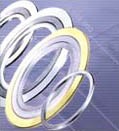
Using a certain fluid on an incompatible gasket is a serious mistake to make. It can lead to gasket damage, reduced efficiency and even a hazardous situation for your workplace. So, here, Steamline Engineering – Australia’s #1 gasket retailer – outlines the importance of gasket compatibility with different fluids.

We’re just not that compatible’ – it’s a generic line in a movie you’ll hear during a break-up scene. And although it might be cringy to hear during a romcom, it’s an important quote to remember when it comes to gaskets and fluids.

Sometimes, they’re just not that compatible!

Using a certain fluid on an incompatible gasket is a serious mistake to make. It can lead to gasket damage, reduced efficiency and even a hazardous situation for your workplace.

So, here, Steamline Engineering – Australia’s #1 gasket retailer – outlines the importance of gasket compatibility with different fluids.

Gaskets and fluids: understanding the basics

Gaskets are made from several different materials, such as metal, graphite, rubber, cork, PTFE and others. Each of these materials has certain properties that make them either compatible or incompatible with different fluids.

For instance, rubber gaskets are known for their excellent resistance to oils and fuels, while they’re not resistant to strong chemicals and acids. EPDM (ethylene propylene diene monomer) gaskets are highly resistant to water, steam, and certain chemicals, while they’re incompatible with fuels and oils.

Common gaskets materials and their compatible fluids

Some of the most common gasket materials and their compatible fluids include:

  • PTFE
    PTFE is a strong, durable material which is often used in gaskets. It’s compatible with many fluids, including almost all chemicals, acids, fuels, solvents, fuels and oils.
  • Graphite
    Graphite is known for its excellent resistance to high-temperature steam, oils, alkalis and acids.
  • Cork
    Cork is compatible with fluids such as low-pressure oils, alcohols and fuels, while incompatible with high-temperature fluids, fuels and alkalis.
  • Metallic
    Known for their strength and resilience, metallic gaskets are highly compatible with high-temperature steam, oils and fuels, but are (depending on the metal) not compatible for strong acids and chlorinated chemicals.

Risks of ignoring gasket-fluid compatibility

The risks of ignoring compatibility between gaskets and fluids are dire. Leaks, equipment damage, increased maintenance costs and safety hazards are all potential consequences of applying to wrong gasket to the wrong application.

How to choose the right gasket and the right fluid

Choosing the right gasket for the right fluid is simple: just check your manufacturer’s recommendations and contact the team at Steamline Engineering if you have any questions about our gaskets. Our team has excellent product knowledge and can find the right gasket for your equipment.

Choose Steamline Engineering for your next gasket order. No matter which type of gasket you’re after, Steamline Engineering can help you out. We stock loads of gaskets from excellent manufacturers like Carrera and Firefly, providing metallic, rubber, PTFE, graphite gaskets and more. Supplying various gaskets from various materials, Steamline are also Australia’s leading team for other industrial equipment like thermal tapes and seals, welding blankets and valve packing materials.
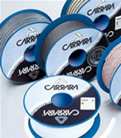
Gasket installation is a crucial part of the process, one that can significantly impact your gasket’s performance, durability and even the condition of your equipment. Here, Steamline Engineering outlines several common gasket installation mistakes and how to avoid them
When you take apart a component to install a new gasket, it’s important to inspect the other components of your equipment.

Common Gasket Installation Mistakes and How to Avoid Them

There’s no point buying a sportscar if you don’t know how to drive a manual. And similarly, there’s little point in upgrading your gaskets if you’re not installing them properly.

Gasket installation is a crucial part of the process, one that can significantly impact your gasket’s performance, durability and even the condition of your equipment.

Here, Steamline Engineering outlines several common gasket installation mistakes and how to avoid them:

Failure to inspect other components

When you take apart a component to install a new gasket, it’s important to inspect the other components of your equipment, in case they’re damaged or warped. A damaged flange will only wear out a gasket quicker, so there’s no point in buying a brand new gasket if there are other problems with your machinery. Check everything meticulously before installing a new gasket.

Failing to clean components

While the gasket is removed, use this as a chance to clean the surfaces and bolt holes before you install the new gasket. Make sure that the bolt threads and the holes of the bolt threads aren’t dirty or galled – otherwise, your gasket won’t be able to be tightened properly.

Installing an incorrect size

This is a surprisingly common mistake to make when installing gaskets. One of the best ways you can ensure you’re buying the exact size of gasket you need is to cross-check the part numbers. If you don’t have the part number of your gasket, call up the team at Steamline and they’ll be able to identify and source an appropriately-fitting gasket for your application.

Tightening the bolts and fasteners incorrectly

As you know, bolts and fasteners require a correct sequence when being tightened. Make sure you’re following the correct sequence of tightening the bolts and fasteners when installing a gasket, so that the pressure is distributed evenly and that the gasket is perfectly aligned when installed. Otherwise, you risk misalignment of the gasket.

Lubricating too much, or not enough

If you use too much or too little lubrication, then you’re back to step one. Never use sealers or lubricants where you shouldn’t: rubber gaskets, for example, should never need lubricants or sealants. On the other hand, always lubricate or seal where it is necessary – just consult the gasket experts at Steamline Engineering if you’re unsure.

Follow this guide and your gasket installation will be a piece of cake, providing years of durable, high-intensity use. At Steamline Engineering, we provide top-of-the-range metallic and non-metallic gaskets across Australia. Stocking brands like Carrara and Firefly, Steamline is Australia’s finest supplier of quality gaskets, as well as other industrial equipment like thermal tapes and seals, welding blankets and valve packing materials. Browse our range our contact our team of gasket experts today.
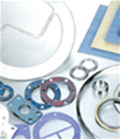
When it comes to replacing and upgrading your gaskets, compliance and safety should be at the top of your mind. In this post, Steamline Engineering explain gasket standards and regulations so that you can successfully comply with Australia’s safety protocol.

Gasket Standards and Regulations Ensuring Compliance and Safety

If you’re working with high-pressure, high-power or high-temperature equipment, chances are there are two words you’ll know all too well: compliance and safety.

These concepts are paramount to the work that you do, preventing accidents from occurring which could result in harm to your staff and damage to your vital equipment.

So, when it comes to replacing and upgrading your gaskets, compliance and safety should be at the top of your mind. In this post, Steamline Engineering explain gasket standards and regulations so that you can successfully comply with Australia’s safety protocol.

Australian Standards on gaskets

There are several Australian Standards on gaskets and gasketing. These are in place to ensure that all gaskets are compliant and safe to use, and that these gaskets are used in the correct way.

Some of the main Australian Standards on gaskets include:

  • AS 1931: specifies requirements for non-metallic gaskets used in general-purpose applications.
  • AS 2118.1: provides guidelines for the selection and installation of gaskets for flanges in piping systems.
  • AS 2683.1: outlines requirements for metallic spiral-wound gaskets.
  • AS 2683.2: specifies requirements for non-metallic flat gaskets for pipe flanges.

Gasket regulations: a closer look

Since Steamline Engineering supplies gaskets for general purpose applications and specialised metallic gaskets, let’s take a closer look at the standards and regulations relating to these areas:

  • Ensuring compliance with AS 1931
    Australian Standard AS 1931 focusses on non-metallic gaskets used in general-purpose applications. This provides guidance on choosing appropriate gasket material based on factors such as the type of fluid or gas being sealed, operating temperature and pressure, flange conditions, and compatibility with other materials in the system. It also covers the correct installation of gaskets, and determines performance under stressors like chemical attack and compression.
  • Ensuring compliance with AS 2683.1
    Australian Standard AS 2683.1 focusses on metallic spiral wound gaskets and their use in flanged joints subjected to pressure and temperature fluctuations. This set of standards includes everything from winding strip and filler material to marking and packaging.

Where to buy compliant gaskets that meet standards and regulations

At Steamline Engineering, we only sell high-quality gaskets which meet all relevant Australian Standards. Our quality brands like Carrara and Firefly are trusted in Australia and internationally as being some of the best gaskets on the market. By investing in quality gaskets from Steamline, you can avoid compliance breaches and keep your business safe and efficient.

At Steamline Engineering, we only supply the world’s best gasket brands, known for their seal integrity and durability. Stocking brands like Carrara and Firefly, Steamline is Australia’s best retailer of quality gaskets, as well as other industrial equipment like thermal tapes and seals, welding blankets and valve packing materials. Browse our range our contact our team of gasket experts today.
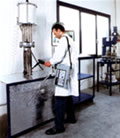
Quality assurance is vital when it comes to gasket manufacturing, and we probably don’t have to explain why. But for good measure, let’s outline a few reasons why you should always look for quality-assured gaskets when it’s time to replace or upgrade. When choosing gaskets, a quality assurance doesn’t just affect the use of the gasket itself: it affects your equipment as a whole. Quality assurance equals safety assurance.

The Importance of Quality Assurance in Gasket Manufacturing

When you’re buying some cheap kitchenware items from Kmart, you’re not too fussed about product quality. You’re paying $3 for an item that cost around 20 cents to make, and it’s part of the unwritten contract that your spatula or garlic crusher probably won’t be the best of its kind, or last that long.

But when it comes to gaskets, things couldn’t be more different.

While nobody’s going to get hurt if your cheap garlic crusher stops working, gaskets play a much more important role than just preparing ingredients for a delicious pasta (although we know the importance of pasta, too).

Quality assurance is vital when it comes to gasket manufacturing, and we probably don’t have to explain why. But for good measure, let’s outline a few reasons why you should always look for quality-assured gaskets when it’s time to replace or upgrade.

Quality gaskets prevent machinery damage

When choosing gaskets, a quality assurance doesn’t just affect the use of the gasket itself: it affects your equipment as a whole. Should a low-quality gasket be installed on an expensive, high-pressure piece of equipment, there’s a significant risk of gasket failure which can damage other components of your machinery.

A quality-assured gasket from a reputable brand like Carrara, for example, eliminates the risk of damaging your expensive machinery which is paramount to the operation of your business. When assessing your choice of gaskets, think beyond the cost of the gasket itself and instead look towards the cost of replacing your equipment due to gasket failure… it becomes much easier to pick quality gaskets every time!

Quality gaskets are more durable

Having to replace gaskets regularly is costly, time-consuming and stressful. But with quality-assured gaskets, this problem is less of a concern. High-quality gaskets are more durable and reliable than their low-quality counterparts. So, you’re saving time and money by choosing a gaskets with quality assurance supplied by the team at Steamline Engineering.

Quality gaskets improve efficiency and running costs

Fluid leaks and fugitive emissions – if you operate a business with equipment that relies on gaskets, you’ll have heard these terms before. Not only are leaks and fugitive emissions a sign that your equipment isn’t functioning as well as it could be, it’s also costing you in terms of running costs – and this is often down to gasket quality. Quality-assured gaskets help to improve efficiency in your business, reducing running costs.

Quality gaskets prevent serious workplace accidents

But most importantly of all, quality assurance equals safety assurance. Don’t put your team members at risk by choosing low-quality gaskets. Prevent the preventable by investing in quality-assured gasket brands.

At Steamline Engineering, we only supply the world’s best gasket brands, known for their seal integrity and durability. Stocking brands like Carrara and Firefly, Steamline is Australia’s best retailer of quality gaskets, as well as other industrial equipment like thermal tapes and seals, welding blankets and valve packing materials. Browse our range our contact our team of gasket experts today.

The choice of material is one of the most influential factors on how well a gasket can perform its sealing duties. Material choice also determines chemical resistance – an important factor for industrial applications. But design isn’t just influenced by material. There’s another equally important factor at play: who’s making the gasket?

How Gasket Design Affects Performance and Seal Integrity

With practically anything, design affects performance. It’s the reason a great Formula One driver can go nowhere in their career if they’re driving a poorly-designed car, or why footy ruckmen are always tall, or why sumo wrestlers are always large.

Imagine competing in that sport and weighing 80kg, when the average weight of a sumo wrestler is 150kg… it simply wouldn’t work!

But moving on from sumo wrestling, we’re here to discuss gasket design and how this can affect performance when it comes to sealing ability. Here, Steamline Engineering outline the key ways in which gasket design drastically affects performance.

Material

The choice of material is one of the most influential factors on how well a gasket can perform its sealing duties. Metallic gaskets and paper gaskets are both widely used in a variety of applications, but they could never be substitute for one another. While metallic gaskets are mostly used in high-temperature and high-pressure environments, like pressure vessels and chemical processing, paper gaskets are used in plumbing fixtures, lawnmowers and other household applications.

Swapping these materials would likely result in poor seal integrity, showing that design is important when choosing the correct gasket.

Conformability and resilience

So, why does the material make such a big impact on seal integrity? A lot of this has to do with conformability and resilience. Gaskets should possess sufficient conformability and resilience to adapt to irregularities in mating surfaces and maintain a consistent seal under varying operating conditions. Flexible gasket materials, such as elastomers or non-asbestos fibres, can conform to surface imperfections and withstand thermal expansion, vibration, and movement without compromising seal integrity. Metallic and graphite gaskets, on the other hand, don’t possess the same conformability and are therefore less suitable for sealing imperfections.

Chemical resistance

Material choice also determines chemical resistance – an important factor for industrial applications. Some gaskets are designed to withstand chemical attack from corrosive fluids, gases and vapours. Metallic gaskets are a great example; they’re used in oil and gas production, petrochemical processing and marine applications.

Manufacturer and brand reputation

But design isn’t just influenced by material. There’s another equally important factor at play: who’s making the gasket? Manufacturer and brand reputation can’t be ignored when it comes to seal integrity for gaskets. Two gaskets, made from similar materials for similar applications, may be completely different in seal ability, with a high-quality brand outperforming its low-quality counterpart again and again.

But at Steamline Engineering, we only supply the world’s best gasket brands, renowned for their seal integrity and durability. Stocking brands like Carrara and Firefly, Steamline is Australia’s best retailer of quality gaskets, as well as other industrial equipment like thermal tapes and seals, welding blankets and valve packing materials. Browse our range our contact our team of gasket experts today.

Gaskets act as a seal in various applications – from automotive engines to industrial machinery and underwater gas pipelines. This prevents the two surfaces from becoming damages and leaking, keeping your equipment in tip-top condition and preventing any safety hazards from arising.

The Role of Gaskets in Preventing Leaks and Contamination

Gaskets. They’re smooth, reliable and their name is pretty satisfying to pronounce (gasss-k’t) if you’ve never thought about that before.

But aside from having a cool name, they also play an essential part in preventing leaks and contamination in your machinery. From car engines to petrochemical processing, gaskets perform this role in countless applications, in countless industries.

Let’s discuss this further thanks to the team at Steamline Engineering – Australia’s specialist team in high-quality gasket supplies.

Gaskets act as a seal

One of the primary functions of a gasket is to seal any irregularities between two mating surfaces of a component. By successfully sealing these two surfaces, the gasket creates a nice, tight fit, where fluid or gas is unable to escape.

Gaskets act as a seal in various applications – from automotive engines to industrial machinery and underwater gas pipelines. This prevents the two surfaces from becoming damages and leaking, keeping your equipment in tip-top condition and preventing any safety hazards from arising.

Managing the pressure

As you can imagine, gaskets don’t exactly have an easy life… in fact, their life is anything but. Sandwiched between two surfaces of high-powered equipment, the gasket’s job comes with a lot of pressure – literally! Gaskets need to be able to maintain structural integrity despite being physically and chemically tested, day in and day out.

Without a high-quality, correct-fitting gasket, your machinery would easily crack under the pressure, resulting in leaks and possible contamination. Always ensure you’re choosing the right gasket material for the job – Steamline supplies several different high-quality gaskets in various materials.

Preventing external contaminants

Sure, if your machinery leaks all over the place due to an ill-fitting or low quality gasket (a problem you’ll never have when you choose Steamline’s gaskets), you’re going to be dealing with contamination. But just as serious is the idea of your equipment being affected by external contaminants. Sensitive and critical components are at risk of being damaged by external contaminants, such as dirt, other fluids and debris. Valve gaskets, for example, are protected by these elements thanks to their gaskets.

Corrosion resistance

Your gasket also helps protect your machinery from corrosion. High-quality, non-corrosive gaskets such as graphite, silicone and PTFE, are all excellent choices for applications in which corrosion (by chemicals, for examples) may otherwise affect your equipment.

Gaskets are often the true heroes of your equipment, and don’t get the credit they deserve. Choose Steamline Engineering for your next gasket order. No matter which type of gasket you’re after, Steamline Engineering has got you covered. We stock loads of gaskets from excellent manufacturers like Carrara and Firefly, providing metallic, rubber, PTFE, graphite gaskets and more. Supplying various gaskets from various materials, Steamline are also Australia’s leading team for other industrial equipment like thermal tapes and seals, welding blankets and valve packing materials.

Smooth, seamless operation depends greatly on your gasket quality, so there’s no question about how crucial it is to pick a quality gasket supplier when it’s time to replace or upgrade. But how do we do this? Gasket selection isn’t something we have to do all the time, so it can be tricky to know where to start. Well, in this post, the specialists at Steamline Engineering outline a guide on sourcing gaskets and knowing the key factors to consider when choosing a supplier.

Gasket Sourcing Key Factors to Consider When Choosing a Supplier

Your machinery relies on a range of parts in order to function at its best. But one of the most important parts? Its gasket.

Smooth, seamless operation depends greatly on your gasket quality, so there’s no question about how crucial it is to pick a quality gasket supplier when it’s time to replace or upgrade.

But how do we do this? Gasket selection isn’t something we have to do all the time, so it can be tricky to know where to start.

Well, in this post, the specialists at Steamline Engineering outline a guide on sourcing gaskets and knowing the key factors to consider when choosing a supplier:

Range of materials

Firstly, we should be look for a supplier who has the correct material of gasket for the application we need. The main materials used for gaskets include metallic, PTFE, graphite, millboard and more. Choosing the wrong gasket material is a grave mistake to make, leading to potential damage to your machinery or, worse, potential threats to staff safety.

Steamline is a team that specialises in a huge range of gasket materials. We supply all common gasket material types, and we know what makes a great gasket, opting for only the best quality gear on the market.

Quality brands

But even if two gaskets are the same material, it doesn’t mean they’re of the same quality. Always look for a gasket supplier who chooses top-rated, premium brands of gasket which are known for quality and strength.

Steamline supplies Carrara metallic gaskets, which are known for their strength, corrosion-resistance and durability. With more than 50 years in the industry, they have been proven to have one of the strongest and most hard-wearing metallic gaskets available.

Value for money

While we’d never suggest trying to cut costs on gasket quality, we’re big advocates of shopping around for the best deal. Your gasket supplier should be driven to deliver great gaskets at competitive rates. Steamline not only have a commitment to bringing you quality products, but we’re also focussed on keeping prices affordable. This has helped hundreds of businesses across Australia to keep their machinery running on a budget.

Reputation for service

None of these qualities are any good if your gasket supplier has absolutely zero idea about customer service. When you have a problem, your gasket supplier should be readily available to help you solve it.

Steamline is a team that’s driven by customer service. We want all customers to become long-term ones, and we keep them coming back with our great prices and helpful customer service.

Choose Steamline Engineering for your next gasket order. No matter which type of gasket you’re after, Steamline Engineering can help you out. We stock loads of gaskets from excellent manufacturers like Carrara and Firefly, providing metallic, rubber, PTFE, graphite gaskets and more. Supplying various gaskets from various materials, Steamline are also Australia’s leading team for other industrial equipment like thermal tapes and seals, welding blankets and valve packing materials.

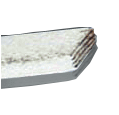
The Firefly Millboard FF700 is a non-asbestos and non-ceramic millboard sheet comprised of mineral wool fibres bonded with high temperature clays. It possesses good thermal insulation properties and is strong at temperature. The Firefly millboard is a commercial grade millboard that is strong with low shrinkage at 1000C. A high quality general use gasketing/heat shield material. Firefly Millboard FF700 is suitable for thermal insulation applications, such as ladle insulation, and gasketing requiring high temperature strength not found with rubber bound millboards. Delivering Results Our high quality Firefly millboard products are complementary to all of our gaskets, sealing sets and pump and graphite packings. Customers in Melbourne and Australia-wide trust Steamline for high quality products and services at competitive prices, and we always deliver.