

Trying to run a high-efficiency boiler without proper insulation is like wearing shorts in a snowstorm. It’s technically possible, but you’ll burn through energy and regret it pretty quickly.
Boiler insulation might not be glamorous, but it plays a critical role in keeping your systems operating safely, reliably and efficiently. Especially in industrial areas like East Bendigo, where food manufacturing, mining, agriculture and energy generation all rely on stable thermal processes.
This isn’t something you want to get wrong.
In this article, Steamline Engineering explains why thermal insulation for boilers is essential, the materials that do the heavy lifting, and what to consider when choosing insulation for your plant or facility in and around Bendigo.
Why you should think about boiler insulation
Thermal insulation for boilers serves one core purpose: to reduce heat loss. When heat escapes from the boiler or its associated pipework, your system has to work harder (and burn more fuel) to maintain operating temperature. That means:
- Higher operating costs: More energy input = more dollars out.
- Increased emissions: Poor insulation contributes to a higher carbon footprint.
- Shortened equipment life: Thermal cycling causes wear-and-tear on boiler shells, flanges and joints.
- Risk to personnel: Uninsulated surfaces can reach dangerous temperatures.
In heavy-duty applications like those seen in Golden Square’s industrial sector (think grain drying, food sterilisation or hot water generation at scale) those risks and costs multiply quickly.
Common thermal insulation materials for boilers
Not all insulation is created equal. For boilers, the most commonly used materials include options designed to withstand intense heat, moisture, and mechanical stress.
Here are four of the most effective types of boiler insulation used across manufacturing plants, energy facilities and food processing sites throughout Golden Square, East Bendigo, Epsom and other industrial pockets of the region.
Mineral wool
Mineral wool is one of the most widely used materials for thermal insulation in boiler applications. It’s made by spinning molten rock or slag into fibres, resulting in excellent resistance to both high temperatures and fire.
In facilities around Golden Square, where boilers often run near continuously in food processing or energy recovery systems, mineral wool helps reduce surface temperatures and prevent heat loss through large pipework and boiler casings. It also has soundproofing properties, which is a bonus in noisy environments.
Calcium silicate
If you need insulation that can take a knock or two, calcium silicate is your go-to material. It’s a rigid, moulded product that provides excellent thermal resistance and is particularly well-suited for applications where mechanical damage or heavy traffic is a risk.
For example, in East Bendigo’s industrial workshops and fabrication yards, calcium silicate insulation could be installed around steam lines and pressure vessels exposed to foot traffic or equipment movement. It’s also ideal in spots where insulation needs to be cut and shaped around complex pipe layouts.
Ceramic fibre
Ceramic fibre insulation is lightweight, flexible and highly resistant to extreme heat, often up to 1,260°C. It’s a common choice for removable insulation pads, blankets and wraps used around boiler doors, inspection hatches and irregular surfaces.
In areas like Epsom, where industries include metal processing and high-temperature kilns, ceramic fibre can handle rapid heat fluctuations and fits where rigid insulation can’t. Its flexibility also makes it a popular choice during maintenance shutdowns, where temporary thermal protection is needed.
Removable insulation covers
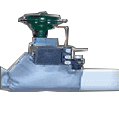
Sometimes, you need insulation that works hard but can also be taken off in under a minute. That’s where removable insulation covers come in. These are custom-fabricated jackets made from fire-resistant fabrics and insulation filler, designed to wrap around valves, flanges, and equipment that require regular access.
Steamline supplies a wide range of these materials, including custom-cut insulation jackets for boiler components that don’t fit standard shapes.
Factors to consider when selecting boiler insulation
Selecting the right thermal insulation for boilers involves more than grabbing the first fireproof blanket off the shelf. A few key factors make all the difference:
Temperature and pressure
Start with the basics: what temperatures and pressures are you working with? A steam boiler in a textile plant in Bendigo will need a very different solution to a hot water heater in a dairy facility.
Accessibility and maintenance
Does the equipment require regular access for cleaning or calibration? If so, removable insulation covers could save you hours of labour and prevent damage to permanent wraps.
Moisture and chemical exposure
Food and beverage production facilities often wash down equipment with high-pressure water or chemicals. In these cases, choose insulation materials with proper water resistance or protective coatings to prevent degradation.
Compliance with Australian Standards
Thermal insulation must comply with AS/NZS 4859.1:2018, particularly when it comes to fire resistance, labelling and declared R-values. At Steamline, we only supply materials that meet or exceed these standards.
Why Bendigo industries rely on proper boiler insulation
Bendigo’s economy is driven by industries that depend on consistent thermal processes—dairy processing, wineries, breweries, metal fabrication, and even gold mining. In each of these sectors, boiler performance is tightly linked to insulation quality.
Insufficient or degraded insulation leads to heat loss, which in turn affects process control, throughput, and energy efficiency. When margins are tight and compliance is non-negotiable, reliable boiler insulation can be the difference between steady output and frequent shutdowns.
At Steamline, we offer technical advice, high-performance materials and custom insulation solutions for boilers of all shapes and sizes. Our team can help you find the right product, understand compliance requirements, and deliver to your Bendigo site fast.
Ready to improve your boiler’s performance? Let’s talk insulation.