


Let’s say your plant has a pressure issue. You reach for a gasket, tighten everything down, and still end up with a leak.
So, you try a sealant.
Now it’s messy, overapplied, and maintenance is a nightmare.
Using the wrong sealing solution is inefficient, and can cost you time, money, and even safety.
That’s why knowing when to use a gasket, a seal, or a sealant matters.
Here, the team at Australia’s trusted supplier of high-quality sealing and insulation products, Steamline Engineering, explain the key differences between these components. And how to choose the right one for your application.
What are gaskets and when do you use them
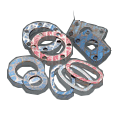
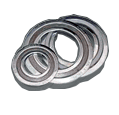
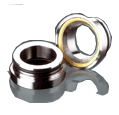
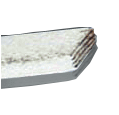
An industrial gasket is a mechanical component that creates a tight, static seal between two stationary surfaces, usually flanges. Its job is to prevent leakage of gases or liquids, even under pressure or temperature fluctuations.
Gaskets are typically made from materials like:
- Rubber: great for flexibility and low-pressure applications
- PTFE (Teflon): ideal for chemical resistance
- Metallic options: such as spiral-wound gaskets, for high-temperature, high-pressure environments
- Graphite: often used in heat-intensive setups like boilers or engine exhausts
You’ll find gaskets in pipelines, pumps, electrical enclosures and anywhere there’s a need to prevent leaks between two bolted surfaces. Their benefits include:
- Noise reduction: many gasket materials dampen vibration and absorb sound
- Easy replacement: most gaskets are removable and relatively simple to inspect or swap
- Customisable: you can match the material, thickness, and profile to your system’s specific needs
Gaskets are your go-to for static sealing applications; provided surfaces are flat and well-aligned.
Seals are designed for dynamic movement
While gaskets hold steady under pressure, seals are built to move. Specifically, they’re used in dynamic environments: on shafts, pistons or any components that rotate, slide or reciprocate.
These seals (often called oil seals or rotary shaft seals) are precision-engineered to maintain contact with moving parts, keeping fluids in and contaminants out.
Common seal materials include:
- Nitrile rubber (NBR): widely used for oil and fuel resistance
- Viton (FKM): handles higher temperatures and aggressive chemicals
- Polyurethane: excellent wear resistance in hydraulic systems
You’ll see seals used in:
- Pumps and compressors
- Hydraulic cylinders
- Gearboxes and engines
Here’s a quick breakdown of how seals differ from gaskets:
- Static vs dynamic: gaskets stay put; seals move with components
- Form: gaskets are flat and cut to shape; seals are often moulded, with lip or ring structures
- Installation: gaskets sit between surfaces; seals typically press-fit or slide into grooves
If you’re dealing with movement, vibration or shaft rotation—go for a seal, not a gasket.
What about sealants?
Sealants aren’t mechanical parts at all. They’re liquids, pastes or gels designed to fill surface imperfections and assist sealing.
Used alongside gaskets or seals, sealants help compensate for:
- Uneven flanges
- Pitting or corrosion
- Thermal expansion
But be cautious: over-reliance on sealants can cause more issues than it solves.
- Use sparingly: a thin film is often all that’s needed
- Choose wisely: ensure the sealant is compatible with your system’s pressure, temperature and chemical exposure
- Avoid replacement headaches: excessive sealant can harden, stick or contaminate the system when it’s time for a swap-out
Sealants are best viewed as backup support, not a substitute for properly selected gaskets or seals.
Comparison and selection guide
Let’s compare the three at a glance:
| Feature | Gaskets | Seals | Sealants |
| Movement | Static | Dynamic | N/A |
| Form | Cut-to-shape (flat) | Moulded (ring, lip) | Liquid or paste |
| Common uses | Pipe flanges, enclosures | Shafts, pumps, cylinders | Surface imperfections |
| Materials | Rubber, PTFE, metal, graphite | Nitrile, Viton, polyurethane | Silicone, anaerobic, RTV |
When selecting a sealing solution, always consider:
- Movement: is the surface static or dynamic?
- Pressure & temperature: materials behave differently under stress
- Chemical exposure: ensure compatibility to avoid degradation
- Surface condition: pitting or warping may require backup sealants
- Compliance: refer to Australian Standards and OEM specifications where applicable
If you’re unsure, Steamline is happy to advise – we’ve seen just about every configuration out there.
Frequently asked questions
What is the main difference between industrial gaskets and seals?
Gaskets are for static joints between two flat surfaces. Seals are designed for dynamic parts like rotating shafts or pistons.
When should you add a sealant to a gasket?
Use sealant when mating surfaces are uneven or corroded. Always match the sealant type to your gasket material and application.
Can gasket sealers replace a gasket?
No—sealants are not a substitute for mechanical gaskets. They can assist but shouldn’t be used alone in pressurised or critical joints.
How do you know which gasket material to choose?
Start with your system specs: pressure, temperature, and media type. Then consult a supplier (like Steamline) who can guide material compatibility and compliance.
Do all seals work with all fluids?
No. For example, nitrile may break down in certain solvents, while Viton resists a wider chemical range. Always check chemical resistance charts before selection.
Use the right component for the job
From sealing a static flange, through to a moving shaft or an imperfect surface, choosing the right component—gasket, seal or sealant—matters. It’s the difference between a safe, reliable system and one that leaks, fails or requires costly rework.
Steamline Engineering supplies a full range of high-performance gaskets and sealing solutions, backed by technical expertise and nationwide delivery. If you’re unsure what your application requires, we’re here to help.